
Growth
Growing the Marine Industry
Florida is ranked 1st out of 30 coastal states for marine employment and 3rd out of 30 coastal states for GDP
Maritime Workforce Opportunities
The marine industry is forecast to become a leader in job opportunities in the coming years:
-
$9.9 billion economic impact in Broward County -
Higher wages in Broward County -
130,000+ marine jobs (31% increase over the decade) -
$12 billion economic impact in the South Florida region
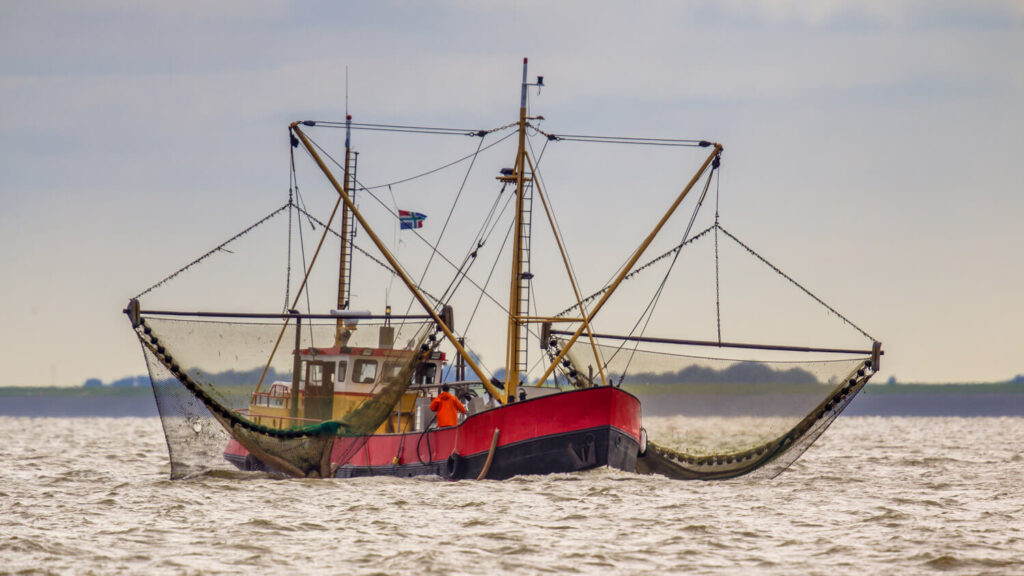
Florida’s commercial fisheries generate $3.2 billion in income which helps support 76,700 jobs.
Port Everglades generates $26.5 billion, which supports 10,778 direct local jons and 192,688 jobs statewide.
Port Everglades ranks 3rd among cruise ports worldwide and has more home-ported cruise ships than any port.
Saltwater and freshwater recreational fishing combined – $13.8 billion and supports 120,000 jobs.

The Maritime Workforce Challenge
-
Number of retirement-eligible staff is projected to increase, from 24% in 2024 to 43% by calendar year 2029 -
Significant portion of the workforce, particularly those in leadership roles, will be retiring within the next 10-15 years -
Marine job satisfaction and retention are high
Opportunity for career growth and advancement for the current workforce is at an all-time high.
Game-changers in the Industry
Maritime Industry Hits Critical Staffing Shortage: Jobs Outnumber Qualified Workers
The maritime industry, long a backbone of global trade and economic infrastructure, is now facing a historic staffing crisis. Across shipping, shipbuilding, and offshore energy sectors, there are simply more jobs than there are qualified employees—a gap that is widening as the demands of the global economy grow ever more complex.
A Perfect Storm of Challenges
At the heart of the shortage is an aging workforce. Many seasoned maritime professionals are retiring, leaving vacancies that the current pipeline of young talent cannot fill. Compounding the problem is high turnover: long stints at sea, demanding working conditions, and limited career advancement drive many employees to leave the industry, making recruitment and retention increasingly difficult.
The competition for skilled talent is fierce. Maritime employers now vie with the offshore energy sector, naval contracts, and other technical industries for workers who possess the specialized knowledge required to operate in this high-stakes, precision-driven environment. Meanwhile, the industry itself is evolving rapidly. Technological innovations in automation, navigation, and logistics demand a workforce that is multidisciplinary and highly trained—raising the bar for entry-level and mid-career professionals alike.
Ripple Effects Across the Economy
The human capital gap has real-world consequences. In shipbuilding, operational disruptions caused by unfilled positions can stall production and slow economic recovery. Ports face bottlenecks that delay cargo handling, increasing costs and affecting the entire supply chain.
National security is also at stake. The U.S. Department of Transportation’s Maritime Administration has flagged a critical shortage of merchant mariners, warning that insufficient staffing could compromise readiness in times of emergency or prolonged conflict.
A Call for Action
Industry leaders like Captain Sandy Yawn and Captain Sandy’s Charities are calling for urgent solutions to attract and retain maritime talent, from education and apprenticeship programs to improved working conditions and competitive compensation. Without intervention, the gap between open positions and available talent is likely to widen, threatening not only economic efficiency but the strategic resilience of global and national maritime operations.
As the maritime world navigates this staffing crunch, the challenge is clear: the industry must innovate not just in technology, but in how it builds and sustains its workforce—ensuring that the ships keeping the world moving are staffed with skilled hands and experienced minds.
Marine supply chain impact:
AI, automation, and advanced analytics are revolutionizing the maritime supply chain by predicting delays, optimizing routes, and reducing costs. Automation enhances port efficiency, while data-driven platforms improve collaboration among shipping companies, port authorities, and customs agencies, ensuring seamless coordination and streamlined operations.